Care, Technology and Community: What’s Next for the Children’s Behavioral Health Workforce?
2026 Conference
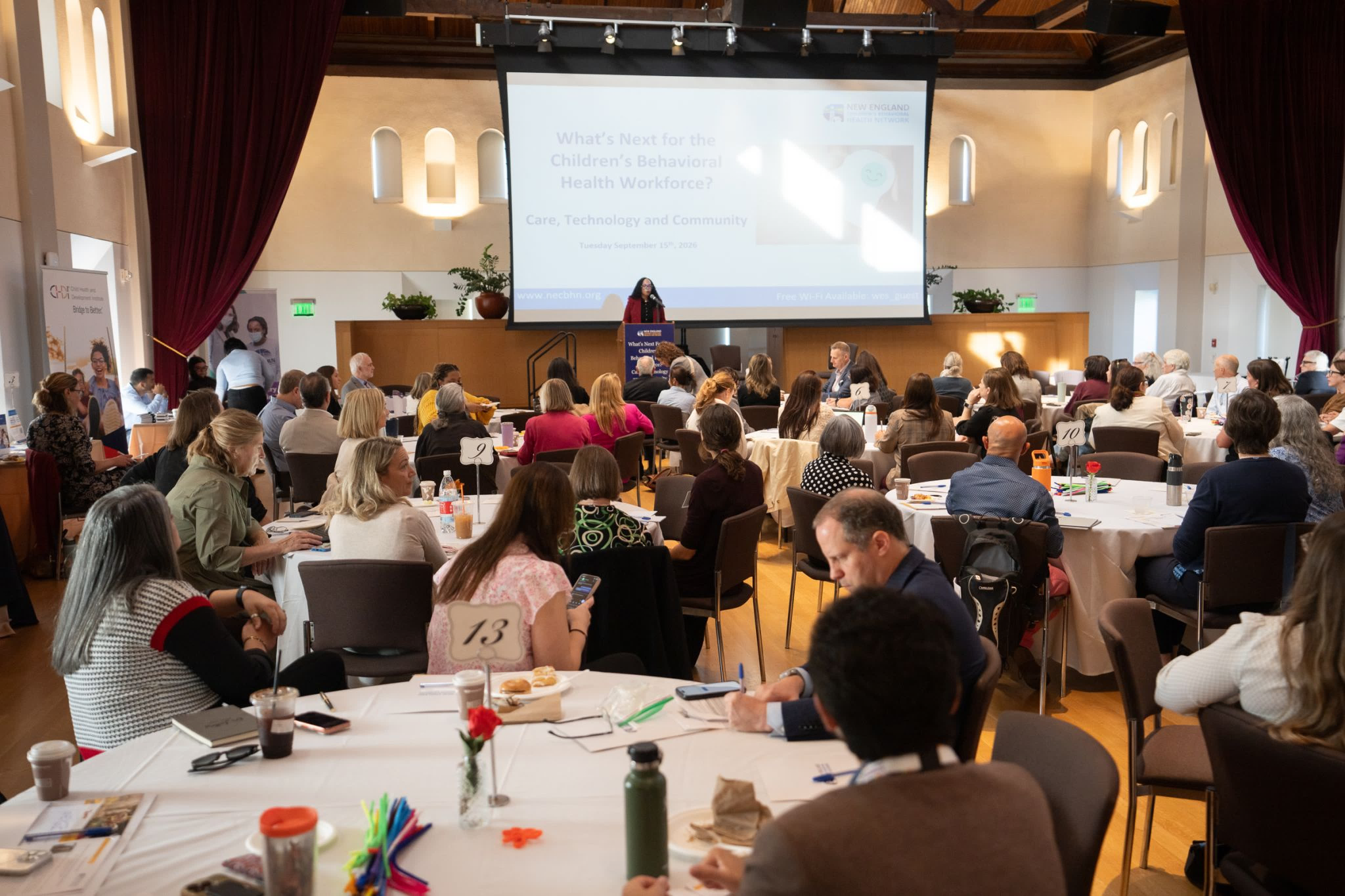
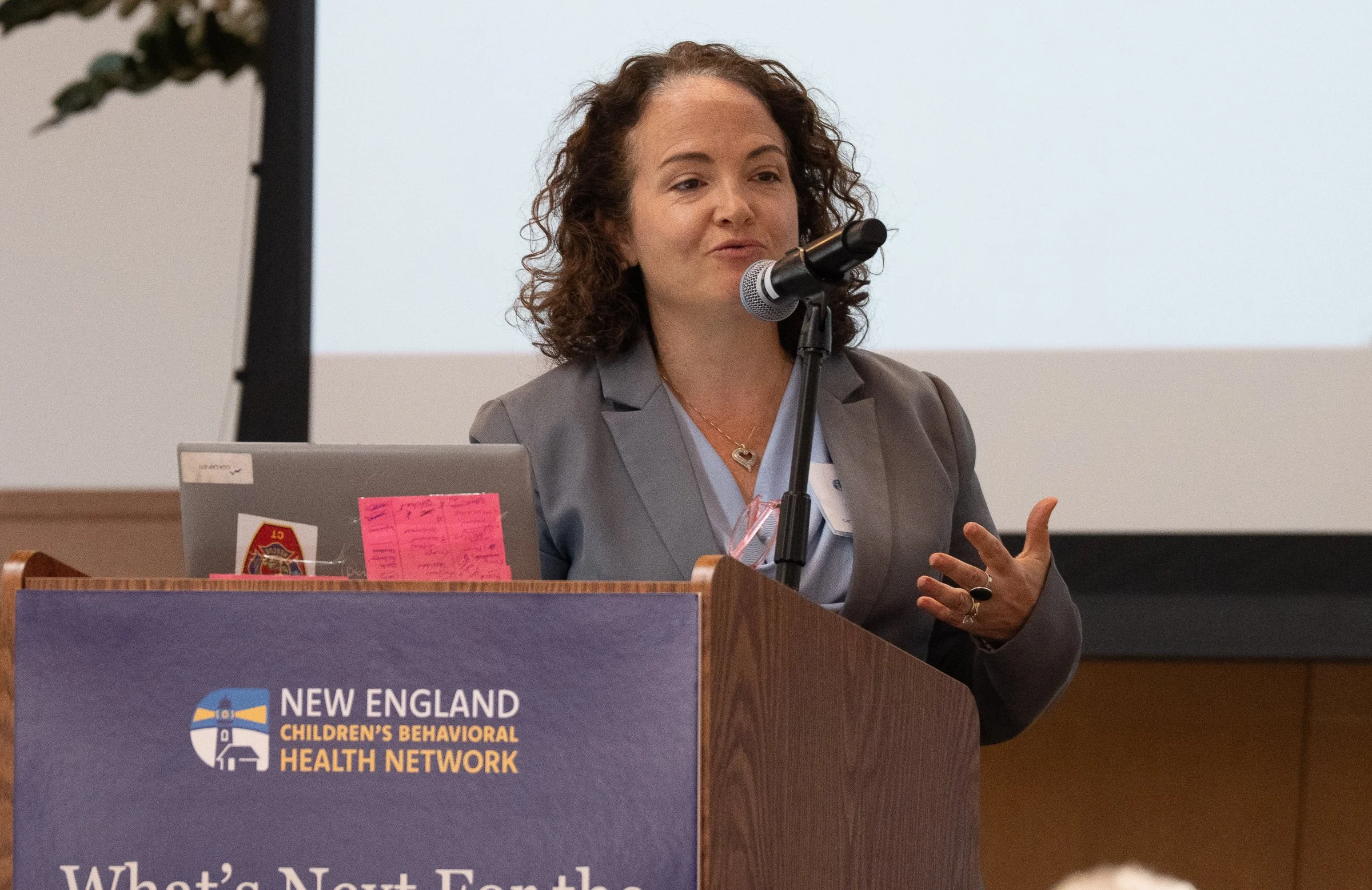
At the New England Children’s Behavioral Health Network’s first event back in 2022, we said we knew that we couldn’t train enough psychiatrists (or psychologists, or social workers) to work our way out of the crisis in children’s behavioral health. Our 2026 conference “What’s Next for the Children’s Behavioral Workforce?” took this as a starting point. From there, we explored how we might be able to combine the licensed clinical workforce with peer and family support, and technology, to provide responsive, culturally competent care for children and families in their communities.
“Children Do Not Live in Clinics, They Live In Families, Schools and Neighborhoods”
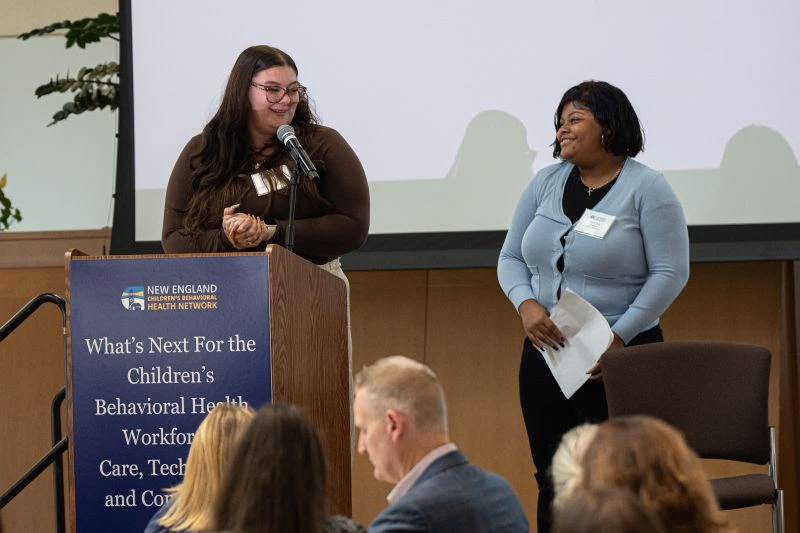
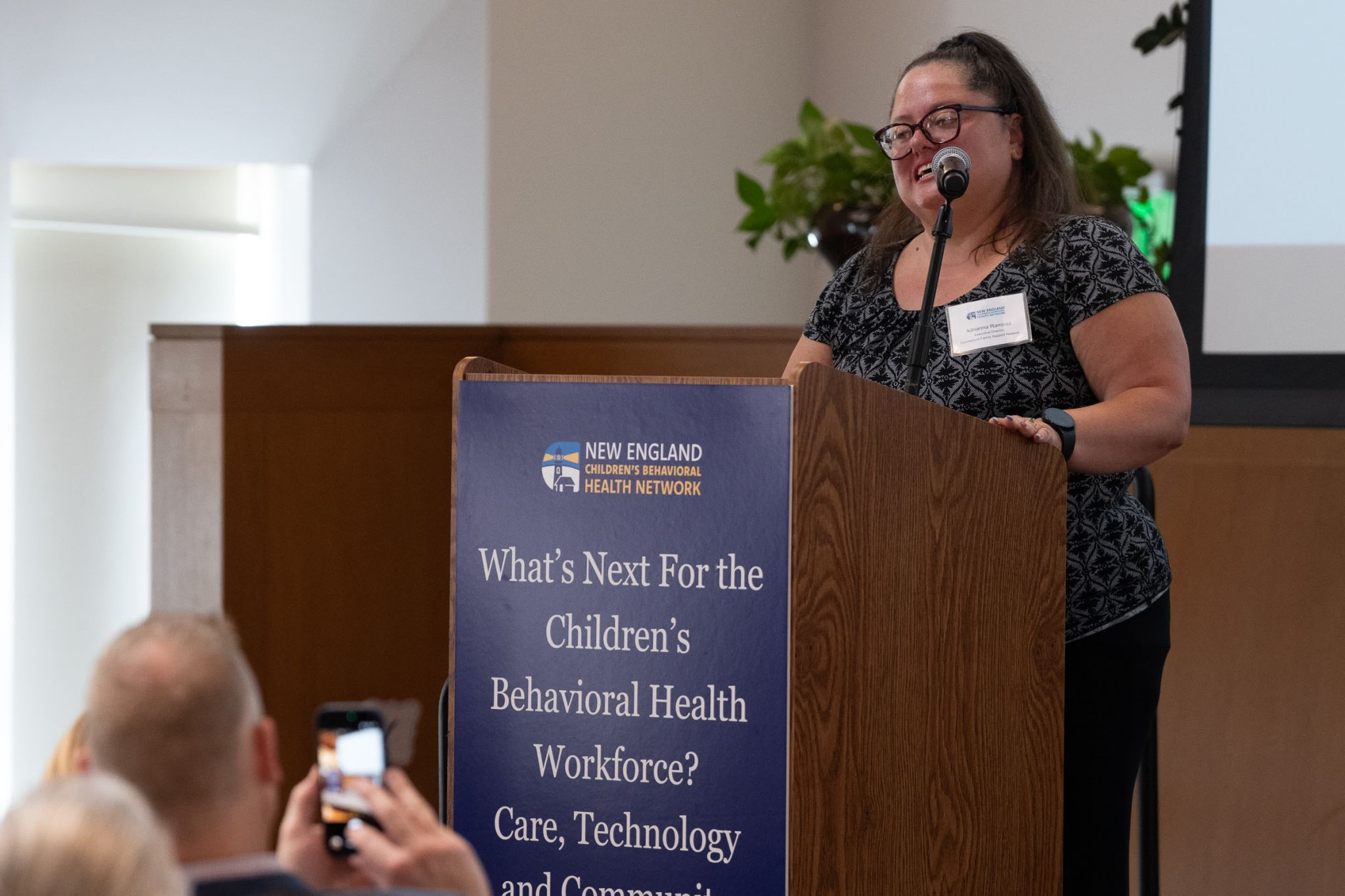
Imani Usher, a Community Health Worker intern from the CHW Intern Academy in New Britain, Connecticut started the day by talking about the meaning she had found in supporting other young people. Adrianna Ramirez, Executive Director of the Connecticut Family Support Network, spoke powerfully about the role of family advocacy groups who “speak parent, not clinical agency” in helping families navigate the complexity of the behavioral health system. She challenged agency leads to apply for their own services, to demonstrate the burden that this complexity places on families. And she stressed the need for a more holistic system of care: “children do not live in clinics, they live in families, schools and neighborhoods.”
“The Best of Times, The Worst of Times”
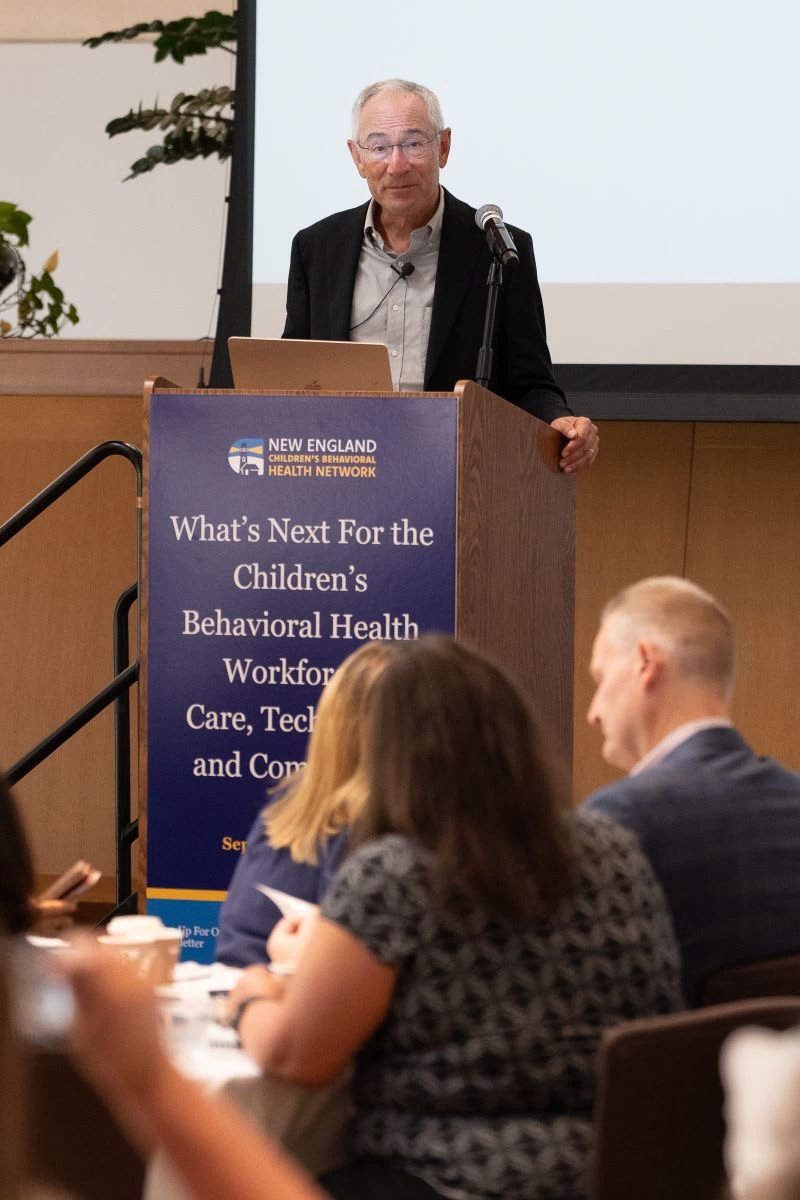
Tom Insel picked up on the importance of family and peer support in his keynote address. Evidence shows that often giving care can be more therapeutic than getting care, stressing that recovery happens for everyone in community.
Right now, he said, we live in the best of times and the worst of times. He talked about the potential of AI (could it be for psychiatry what DNA was for oncology?), a commitment to system transformation in states like California that could be replicable in New England, and growing patient empowerment. There is huge potential in hybrid care, where technology reinforces meeting in-person with a clinician, providing reinforcement as-needed outside the clinic.
He stressed, however, that we also face enormous challenges in delivering care: lack of clarity, lack of engagement, lack of capacity, and lack of equity. This is compounded by a generational challenge in funding with the implementation of H.R.1 in 2026 and record numbers of children expected to lose Medicaid, often unnecessarily. In this context, it is crucial to leverage 1115 waivers and EPSDT and other funding to support innovative, blended, models of care.
Despite the promise of technology, to date it has been a problem more than a solution, as the Meta settlements demonstrate. Importantly, he said that while we talk a great deal about the problems that the world online creates for young people, we talk far less about how we might create an offline world that supports not just children with diagnoses, but a healthy childhood for all children and communities that support thriving.
“A Crisis of Fragmentation”
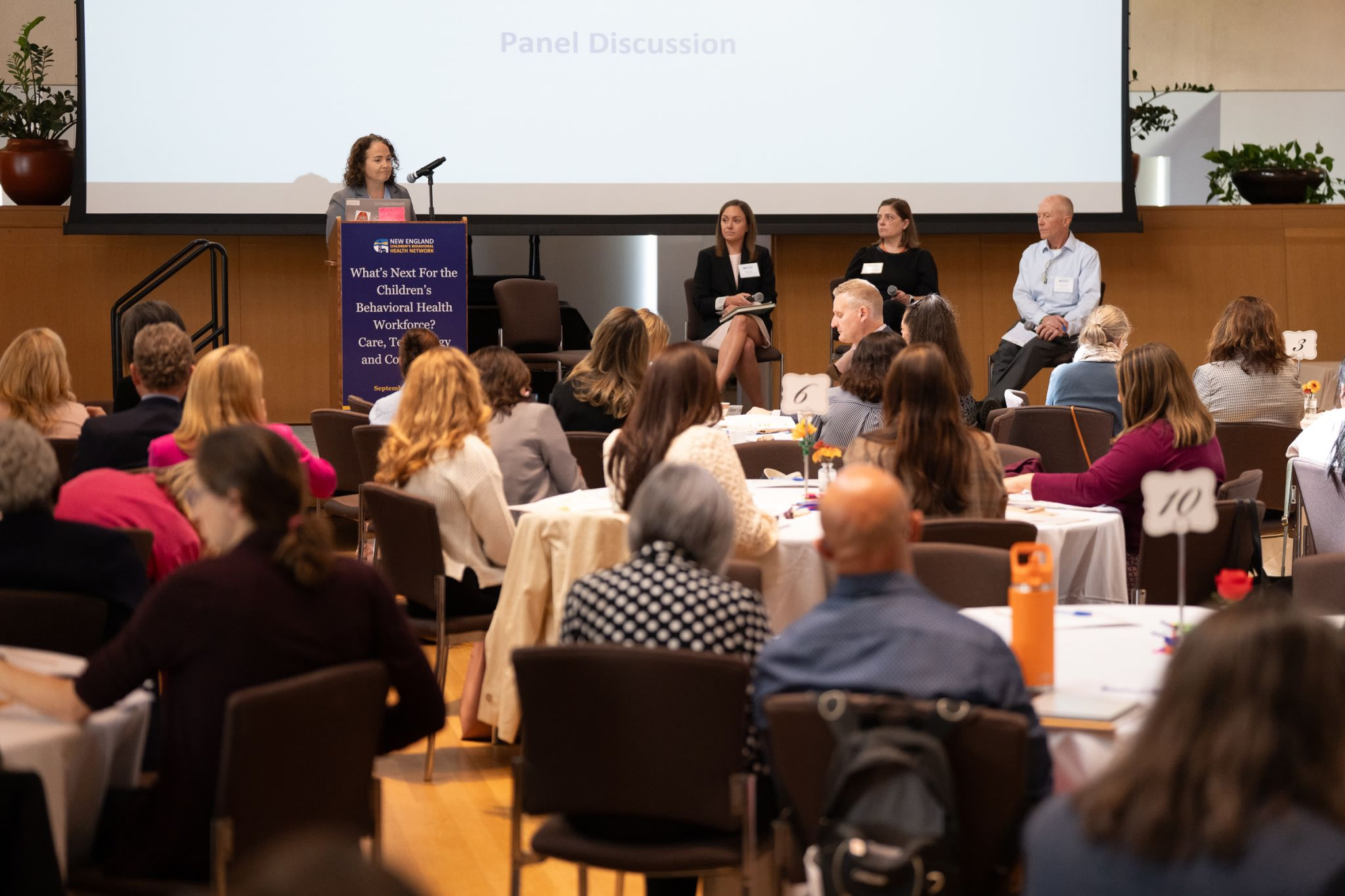
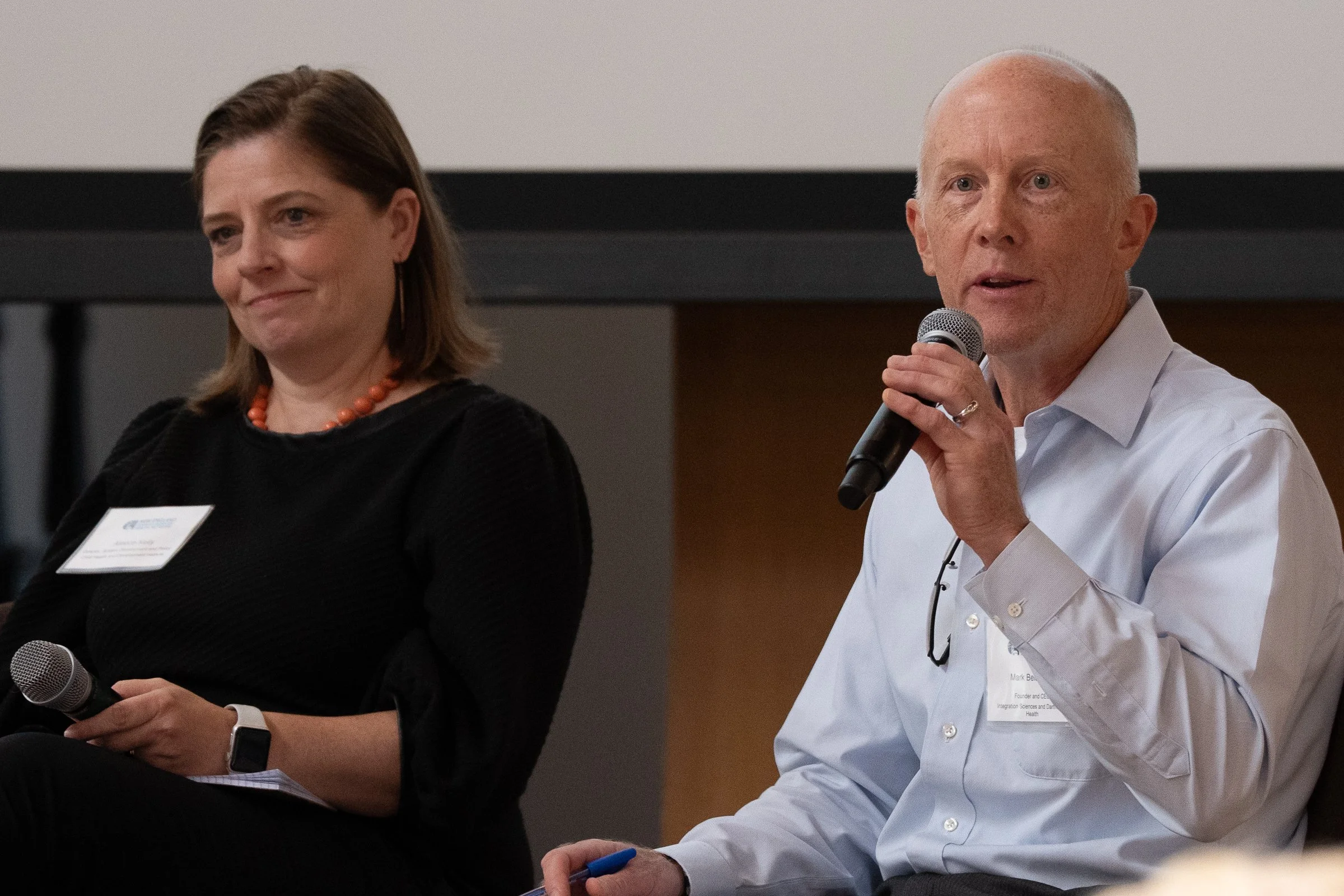
Our first panel discussion, What Do We Mean by Workforce? (chaired by Sarah Eagan, from the Center for Children’s Advocacy) Featured representatives from state workforce development initiatives: Amy Doyle from the Behavioral Health Workforce Center at the Massachusetts Health Policy Commission, Aleece Kelly from CHDI in Connecticut, and Mark Belanger from the New Hampshire Behavioral Health Workforce Center. They talked about the importance of state-based efforts to gather data on the behavioral health workforce and conduct needs assessment.
Panelists acknowledged that in times of crisis people often turn inwards, but that it’s so important right now to look outwards, share ideas, and attract people to work in behavioral health in New England. All panelists felt that the workforce may be too clinical, and may mean that when children do receive treatment, the level of care they receive is too intensive. The peer support movement started in New Hampshire, and across the region we need to grow that workforce.
One panelist described a “crisis of fragmentation” where there are too many, uncoordinated efforts. The Rural Health Transformation program may only compound this problem. Certified Community Behavioral Health Clinics (CCBHCs) seem like a bright spot in the landscape, with their “no wrong door” policy and ability to reset wages as needed.
“How Do we Change the System to Listen to What Families Want?”
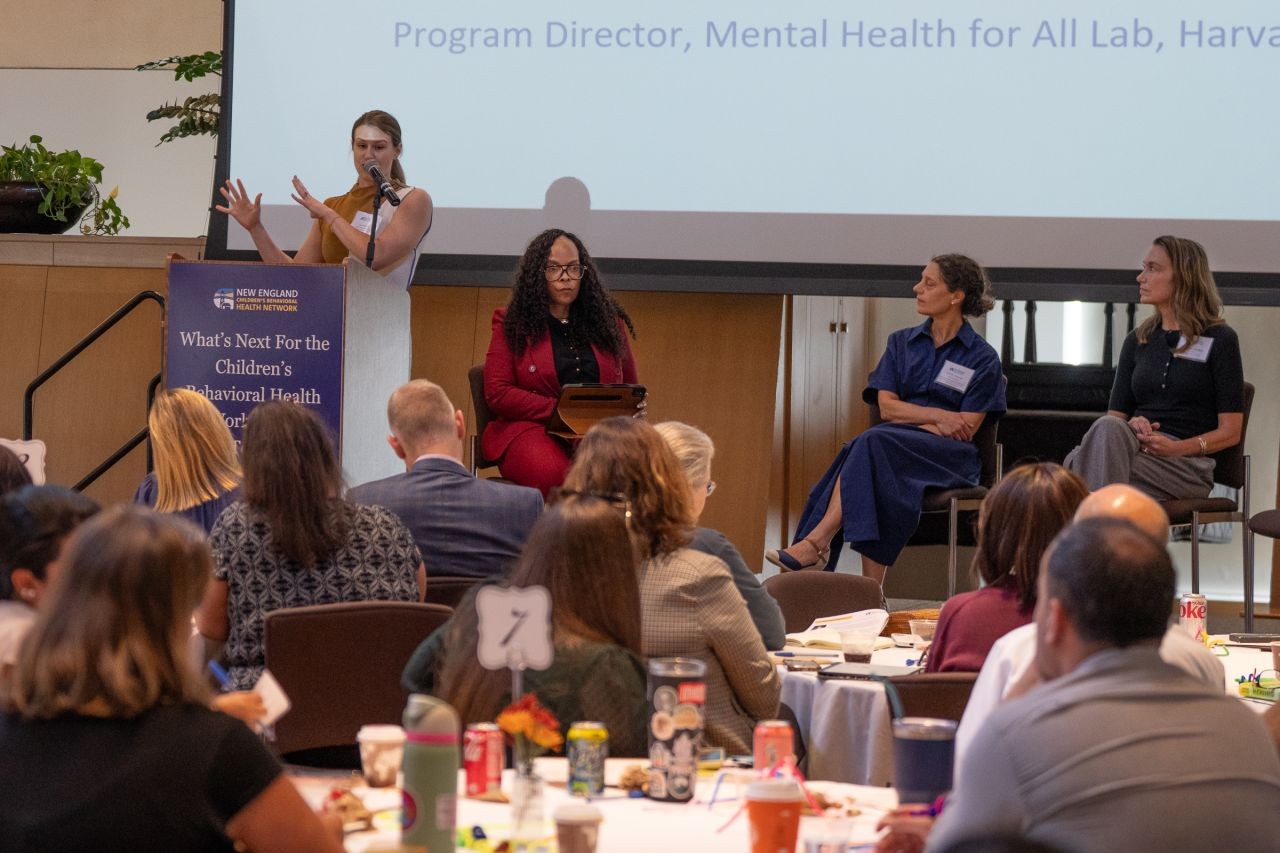
Our next session featured rapid-fire talks on innovative models for changing care delivery. Elizabeth Morrison from the Lay Counselor Academy spoke about their model of training firefighters, case managers, and Community Health Workers to provide counseling and sit with people in difficult moments. Inspired by the lay midwife movement in Alaska, a recent evaluation of lay counselling showed it to be just as effective as therapy from a licensed clinician. Jennifer Freeman from Bradley Hospital’s Pediatric Anxiety Research Center (PARC) talked about the workforce extended model that PARC has developed, where Masters-level clinicians provide home-based care under the supervision of a PhD psychologist. Laura Bond from Harvard’s Mental Health for All Lab talked about how they work to provide support through nonspecialists, including in low-income settings. A common theme that emerged was reimbursement - we know there is demand for this type of community-based care, but it’s difficult to do sustainably in a fee-for-service context. To fully take advantage of this type of innovation, we would need to reimagine the system of care more generally.
“AI Can Touch Everything Except What Matters”
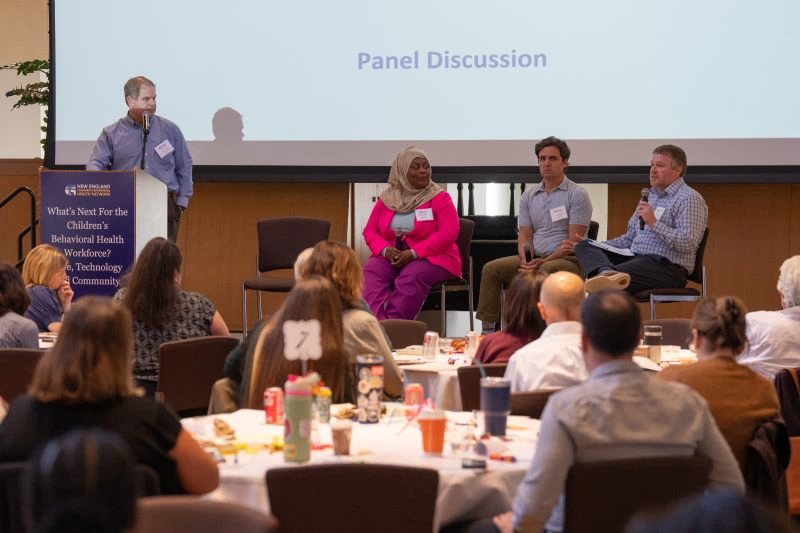
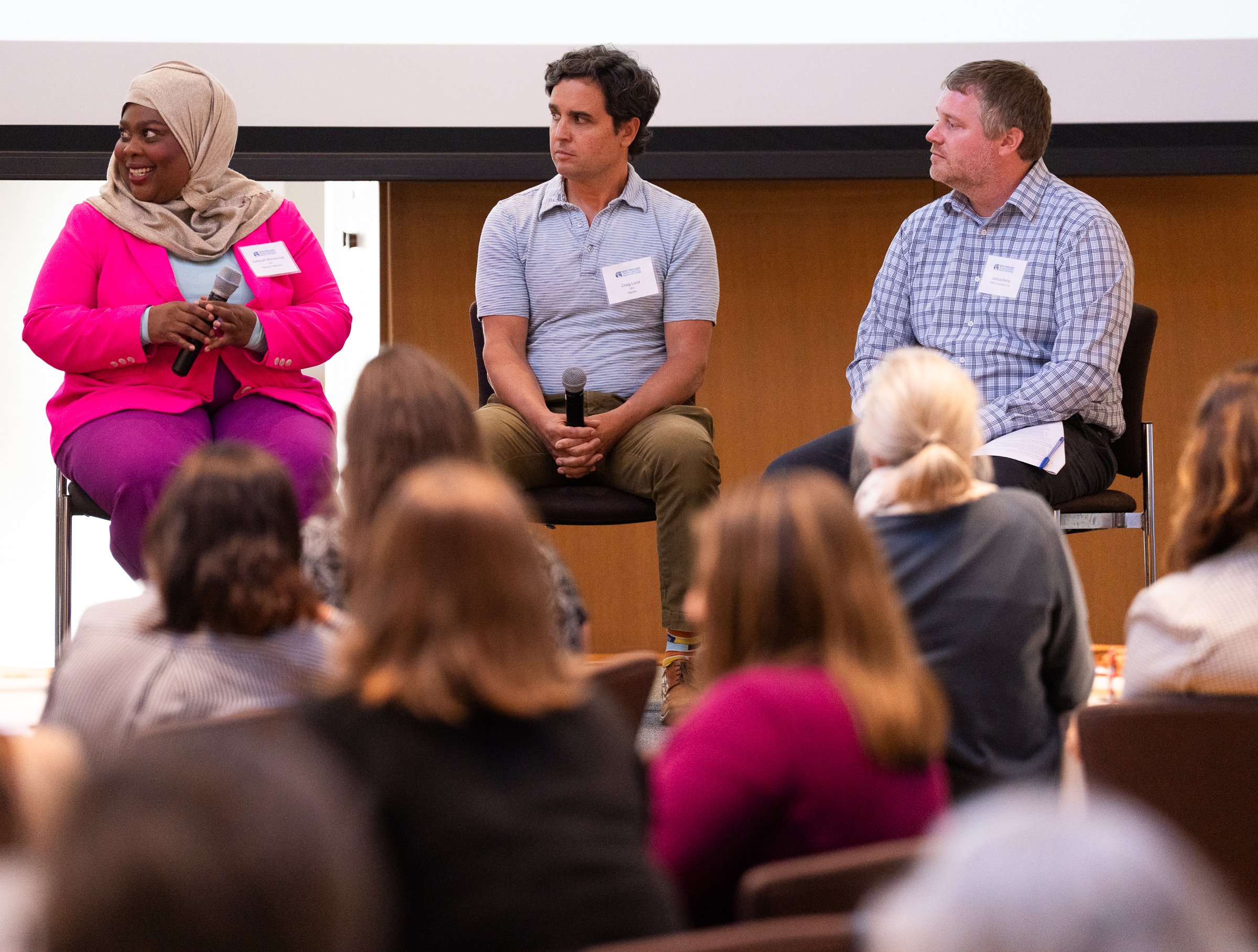
Our second panel discussion focused more directly on the impact of technology on care delivery.
Hafeezah Muhammad from Backpack Health, Josh Kemp from Bradley Hospital and Craig Lund from Mightier all talked about the direct impact that AI and technology are having on care delivery. Starting from personal stories of how gaps in care for their own families had inspired them to innovate, they went on to talk about how no-show predictors are making care more efficient, and how gamification can increase engagement in therapy. But the discussion also highlighted what AI and technology can’t do, as one speaker said “AI can touch everything except what matters”. There still needs to be room for what makes us really human in behavioral health.
“Are We Changing Fast Enough?”
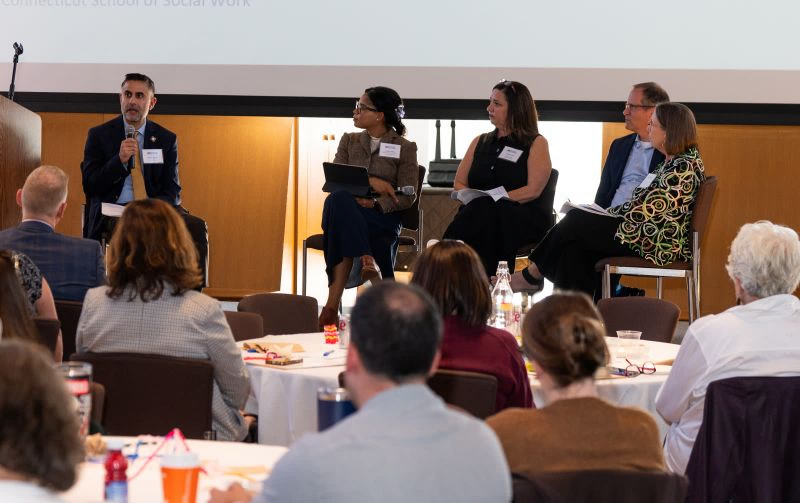
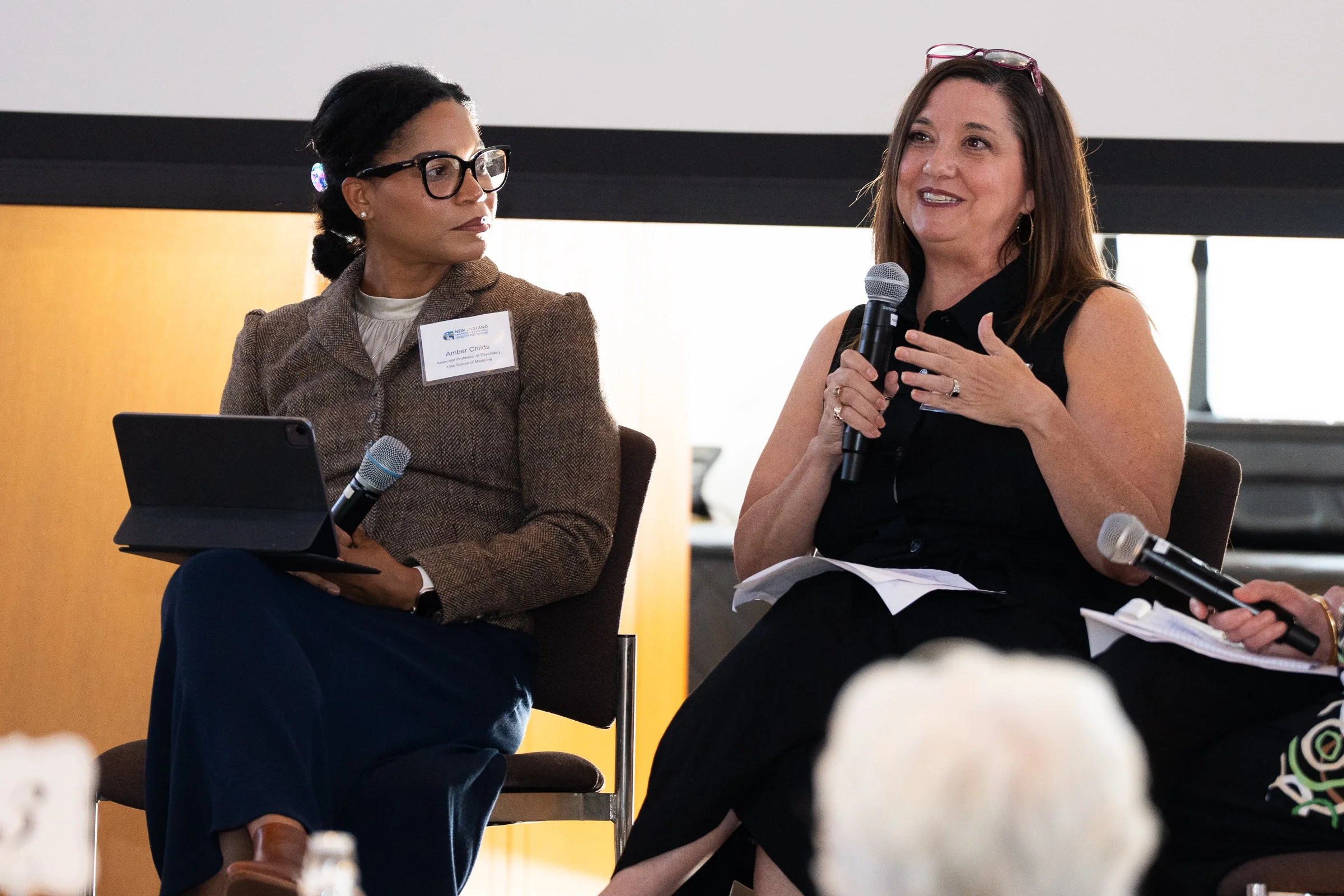
The final panel of the NECBHN conference brought together leaders from health care, behavioral health, research, and technology around one central question: Are we changing fast enough?
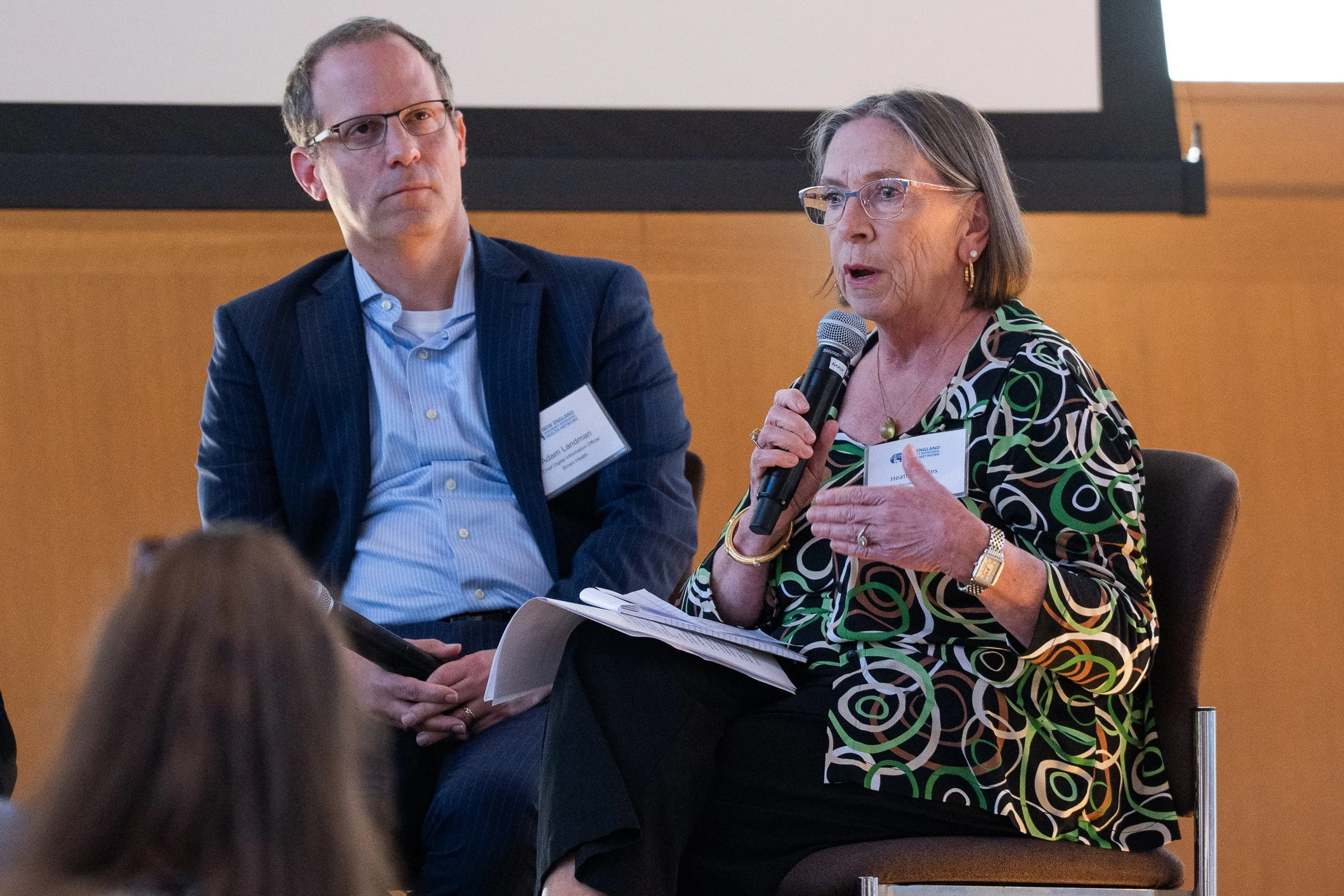
The panelists agreed that we need to increase the pace of change. Heather Gates, of Community Health Resources, emphasized that organizations must pick up the pace while still honoring the needs of the communities they serve, the expectations of funders, and the requirements of state systems. Urgency matters, but so does accountability. Amber W. Childs, from Yale School of Medicine reminded us that lasting change depends on measuring outcomes and using what we learn to improve.
When the conversation turned to strengthening the workforce, Michelle Zabel, of the Innovations Institute at UConn offered a powerful reframe: "All of us are workforce": that includes young people and families, whose lived experience should inform our decisions alongside the clinicians, community partners, researchers, and leaders working to improve the system. Adam Landman, Chief Digital Information Officer at Brown University Health spoke to the promise of AI tools in care settings, particularly ambient scribe technology. By capturing clinical notes automatically, these tools allow clinicians to be fully present with patients rather than weighed down by administrative work.
Adam also highlighted the role that organizations like NECBHN can play in accelerating progress. Cross-state convenings give us the chance to share innovations, learn from challenges, and build on one another's lessons, so that no state has to start from scratch.
Javeed Sukhera, from Hartford Hospital closed the panel by reminding us of our individual roles in shaping the narrative in this field. Change takes courage and strength and depends on all of us sharing our stories. We need to move faster, but even more, we need to move together.
What’s Next?
This is a pivotal moment for how we deliver behavioral health care to children and families. Faced with unprecedented financial pressures and technological upheaval we need to reimagine not only the system of care for children’s behavioral health, but what a world that promotes children’s behavioral health (and families' wellbeing) would look like. We then need to figure out a sustainable way to pay not just for acute services, but for preventative and community-based care. And we need to harness technology to complement and support human-centered care, not supplant it.
None of this is easy. But the energy, expertise and commitment in the room at Wesleyan in September is an encouraging sign that we can find a path forward.
Interested in contributing to our blog? We welcome perspectives from researchers, clinicians, policymakers, advocates, and community members working to advance children's behavioral health. If you'd like to contribute to a future blog, please reach out to us at info@necbhn.org.