Navigating Change, Strengthening Care: Highlights from our May 7th event on Medicaid and Children's Behavioral Health
By the New England Children's Behavioral Health Network
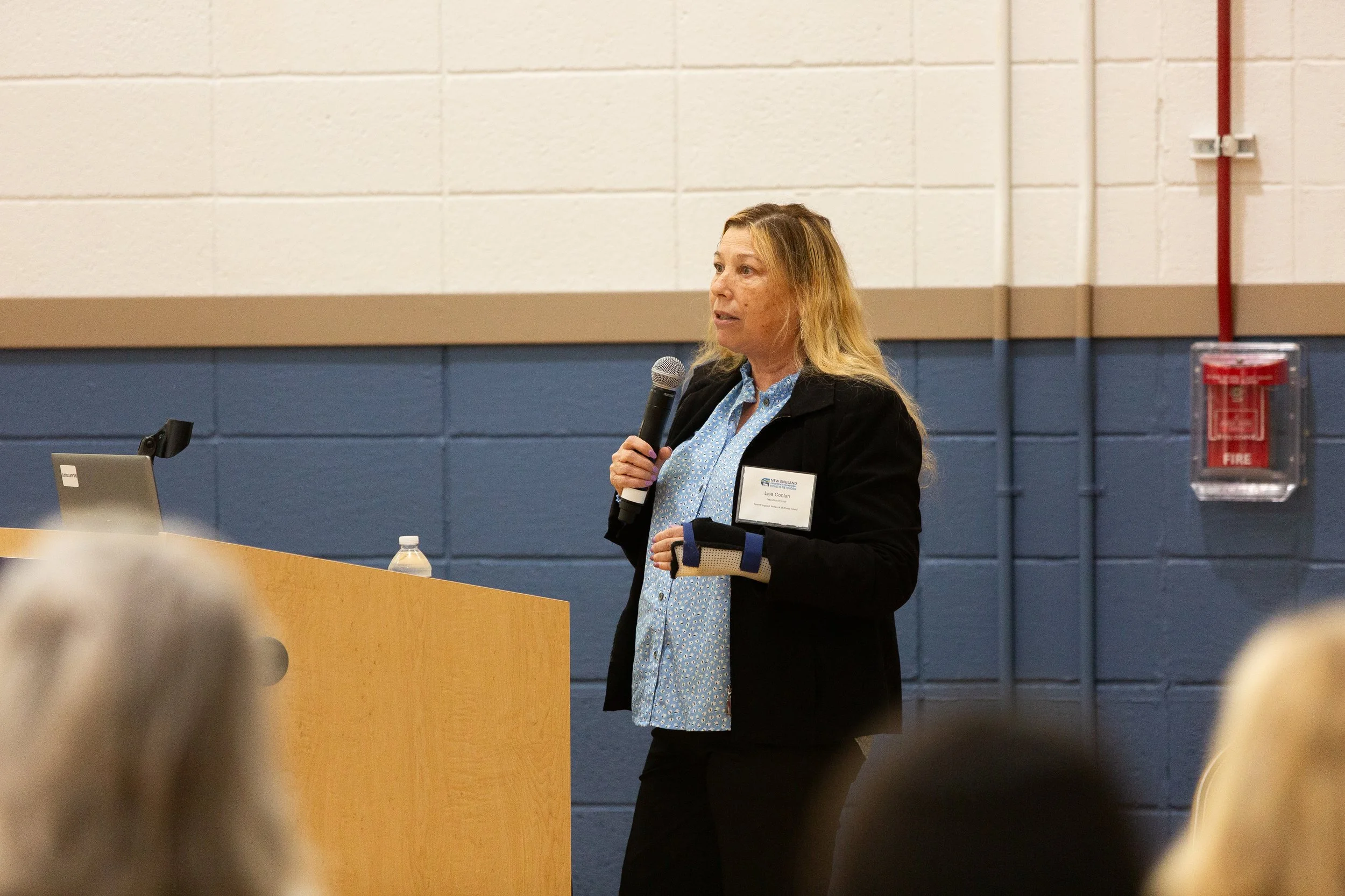
“ Medicaid has always been the backbone for families navigating behavioral health needs” - Lisa Conlon-Lewis, Executive Director of Parent Support Network of Rhode Island and Prevent Child Abuse Rhode Island
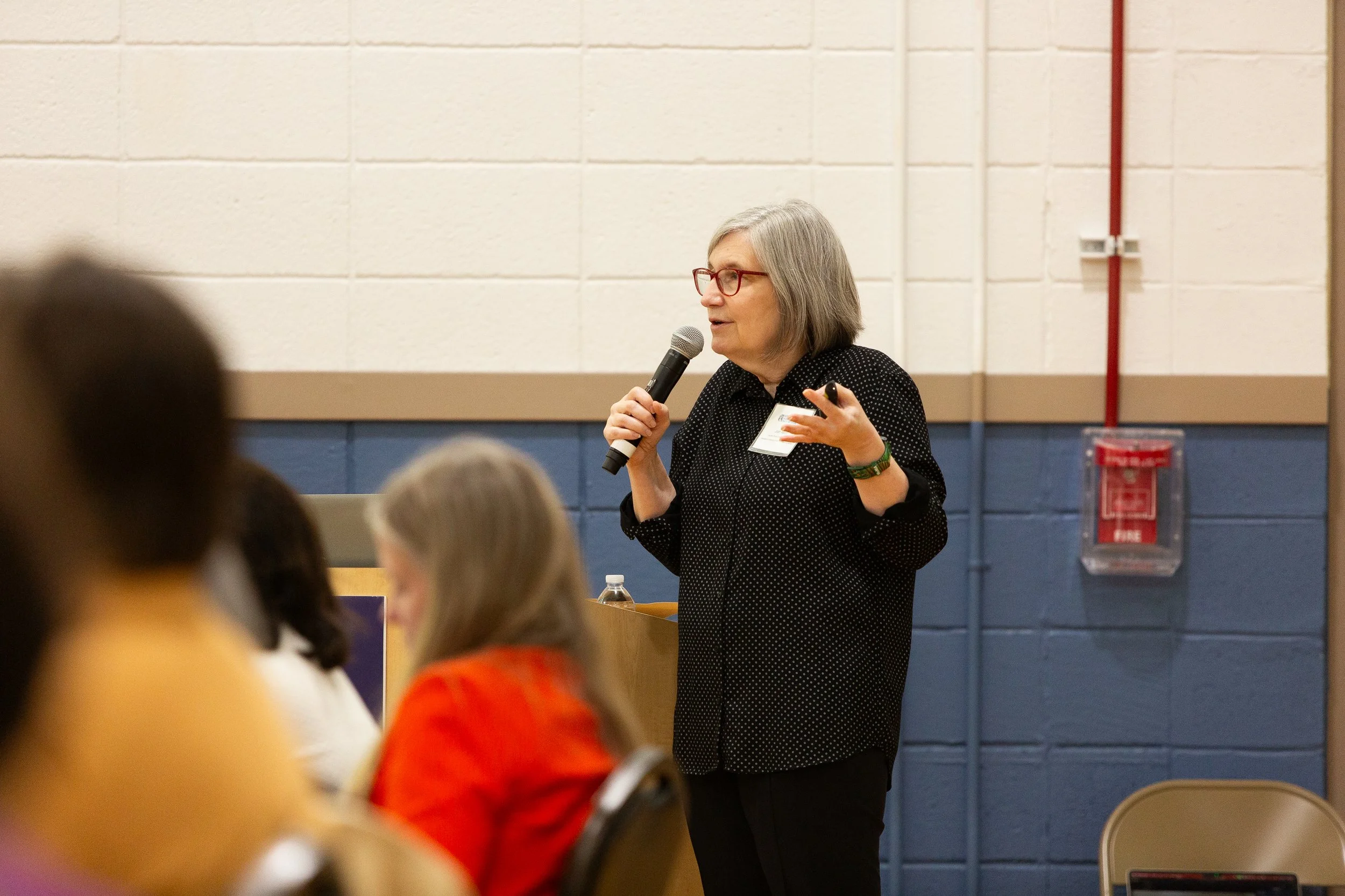
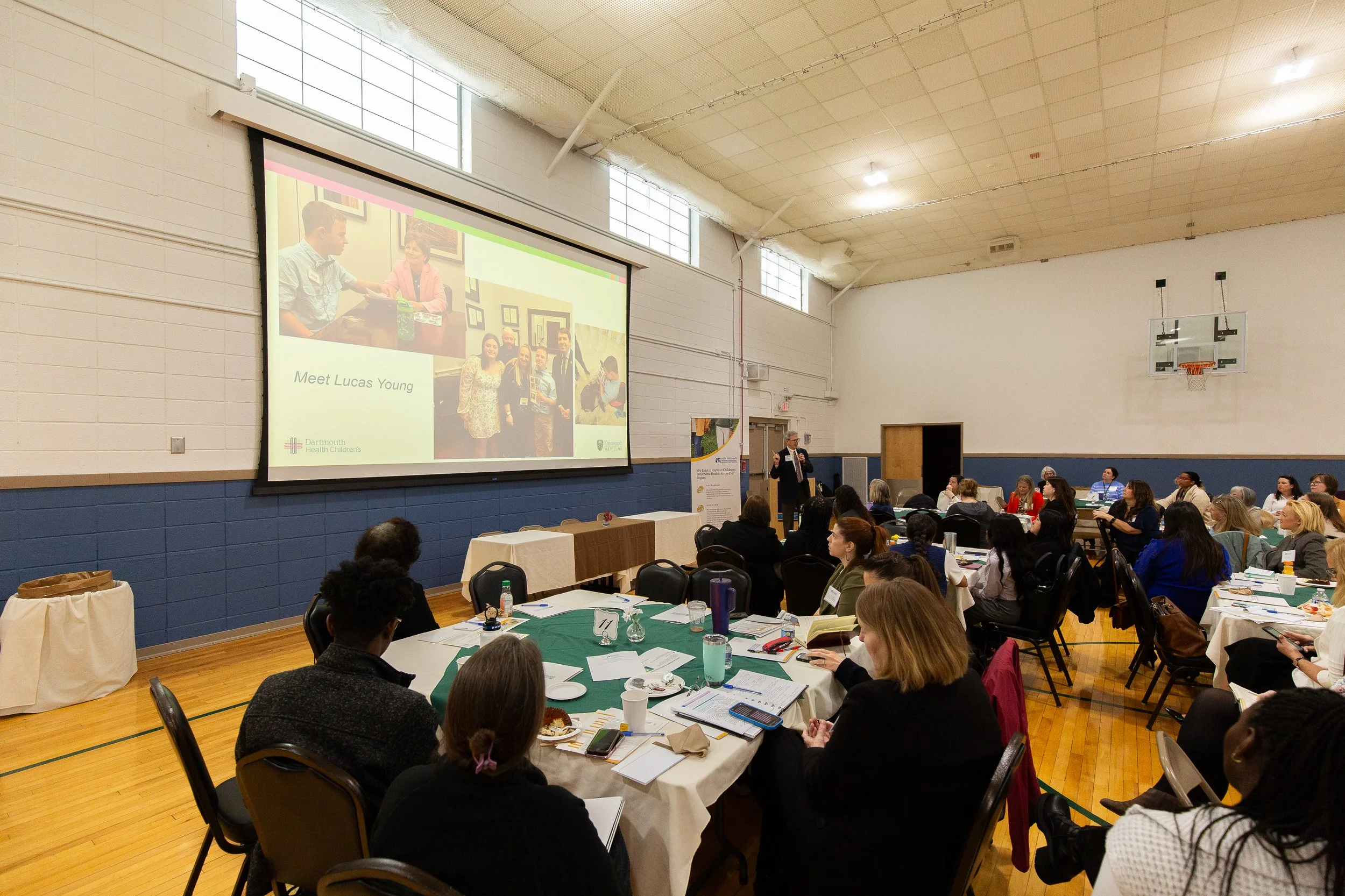
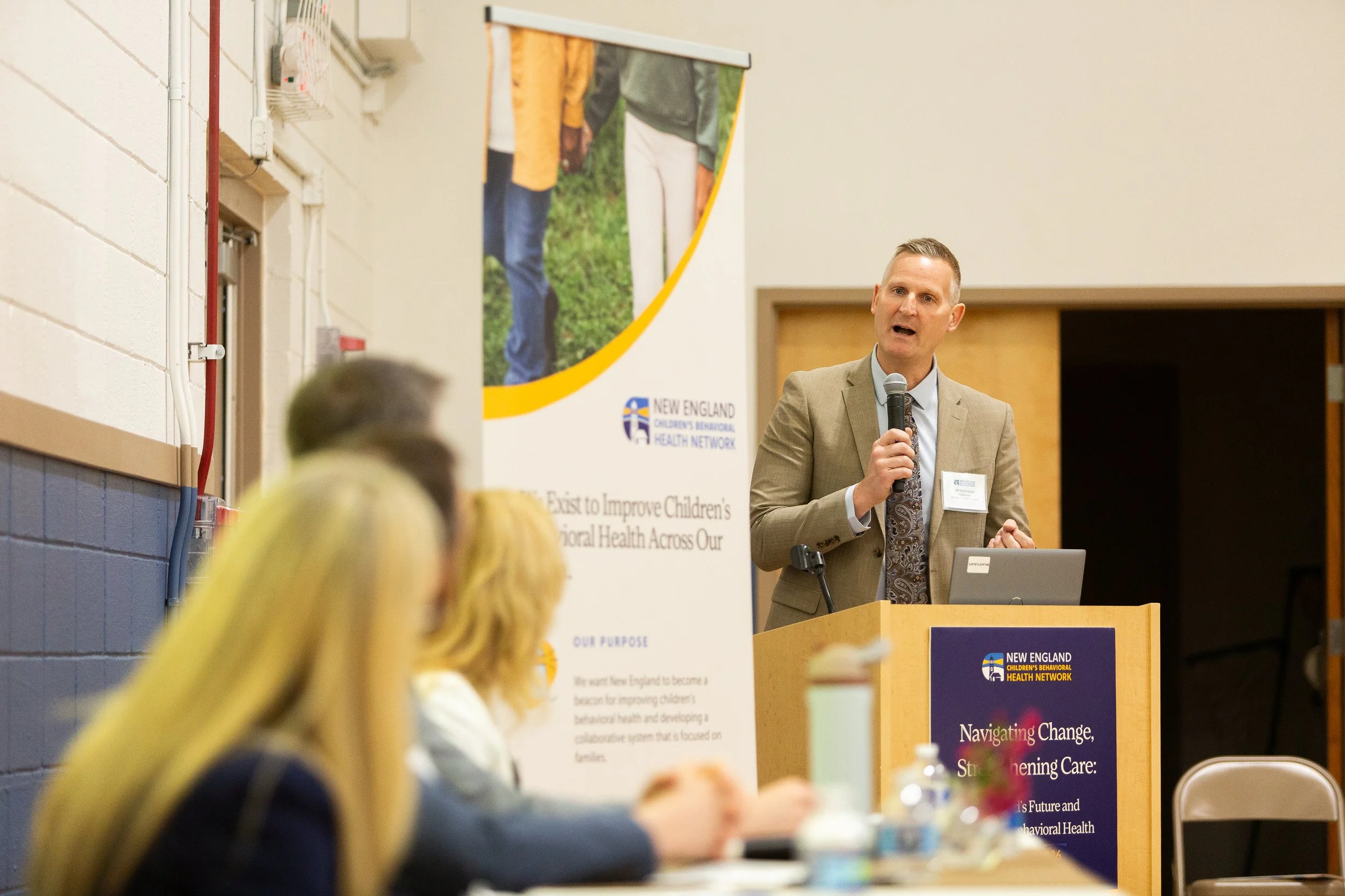
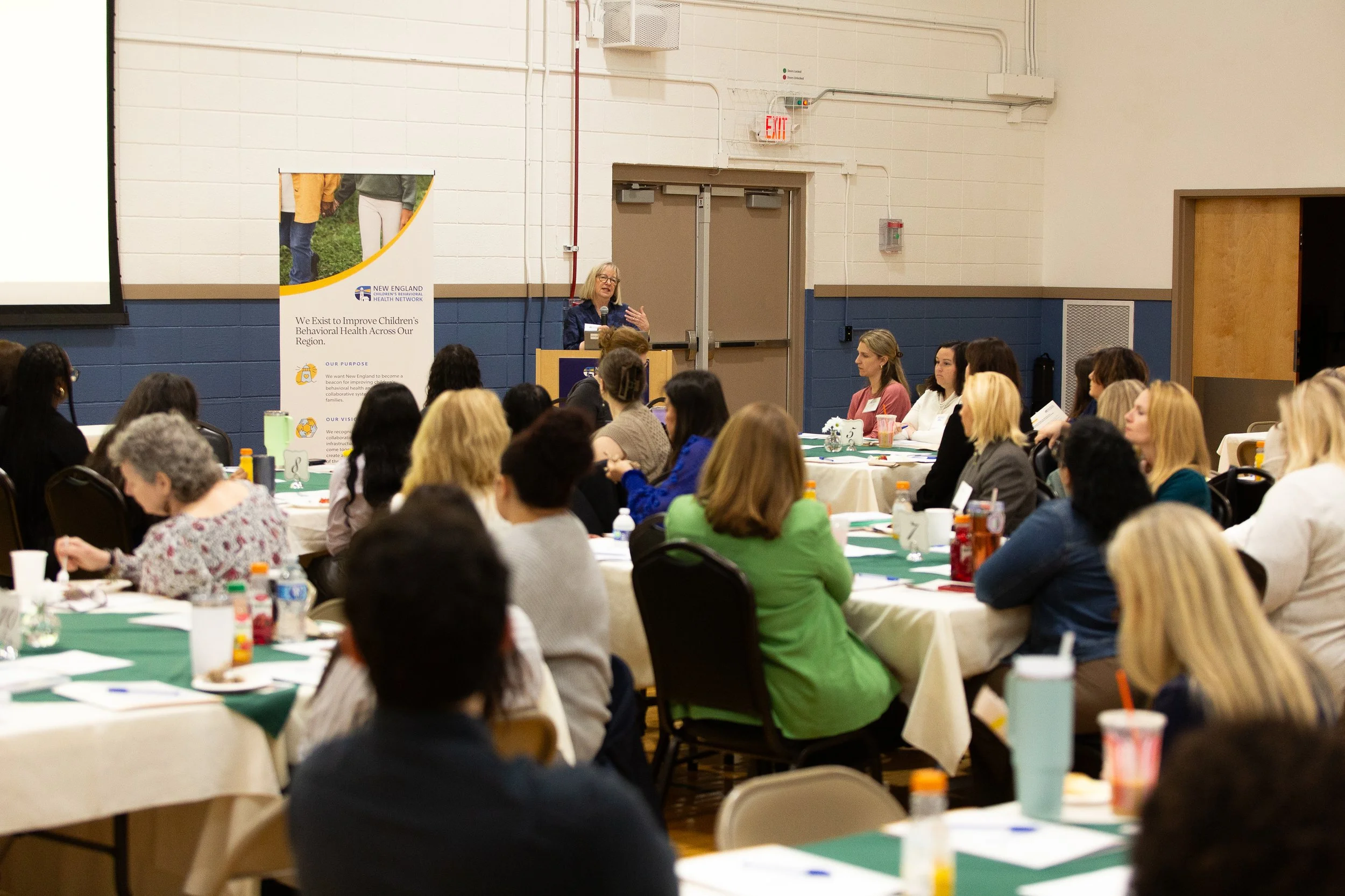
On a rainy spring morning, providers, parents, clinicians, educators, policymakers, and advocates from across the New England region gathered at Bradley Hospital in East Providence, Rhode Island for the New England Children's Behavioral Health Network's spring event: "Navigating Change, Strengthening Care: Medicaid’s Future and Children’s Behavioral Health”
The energy in the room was unmistakable. Amid one of the most challenging policy environments children's health advocates have faced in decades, people showed up — from Maine to Connecticut, from state agencies to community organizations, from hospital systems to classrooms. That, in itself, felt like a statement.
Setting the Stage: A Family's Perspective
The morning opened with remarks from Elizabeth Burke Bryant, Professor of Practice at Brown University's Hassenfeld Child Health Innovation Institute and a leader in the Network. welcomed attendees and set the tone: this day was about relationships, learning, and the shared commitment to children's behavioral health across New England.
Before diving into policy, the room was grounded in lived experience. Lisa Conlon-Lewis, Executive Director of Parent Support Network of Rhode Island and Prevent Child Abuse Rhode Island, shared a journey spanning more than three decades — from navigating her son's hospitalizations in the late 1980s, to raising a grandson with Asperger's, to now supporting her great-grandchild and his young family through a mental health crisis.
Her message was clear: Medicaid has always been the backbone for families navigating behavioral health needs, and the stakes of cutting it are not abstract. She reminded the room that families today are "fearful, scared, and unsure" — and that reducing services doesn't reduce mental health needs; it only drives them underground, into emergency rooms, and into child welfare systems.
She also lifted up a fight that is far from over: the ongoing effort to pass Voluntary Custody Act protections, so that no family ever again has to surrender their child to the state simply to access the behavioral health care they need
The Policy Landscape: What's at Stake
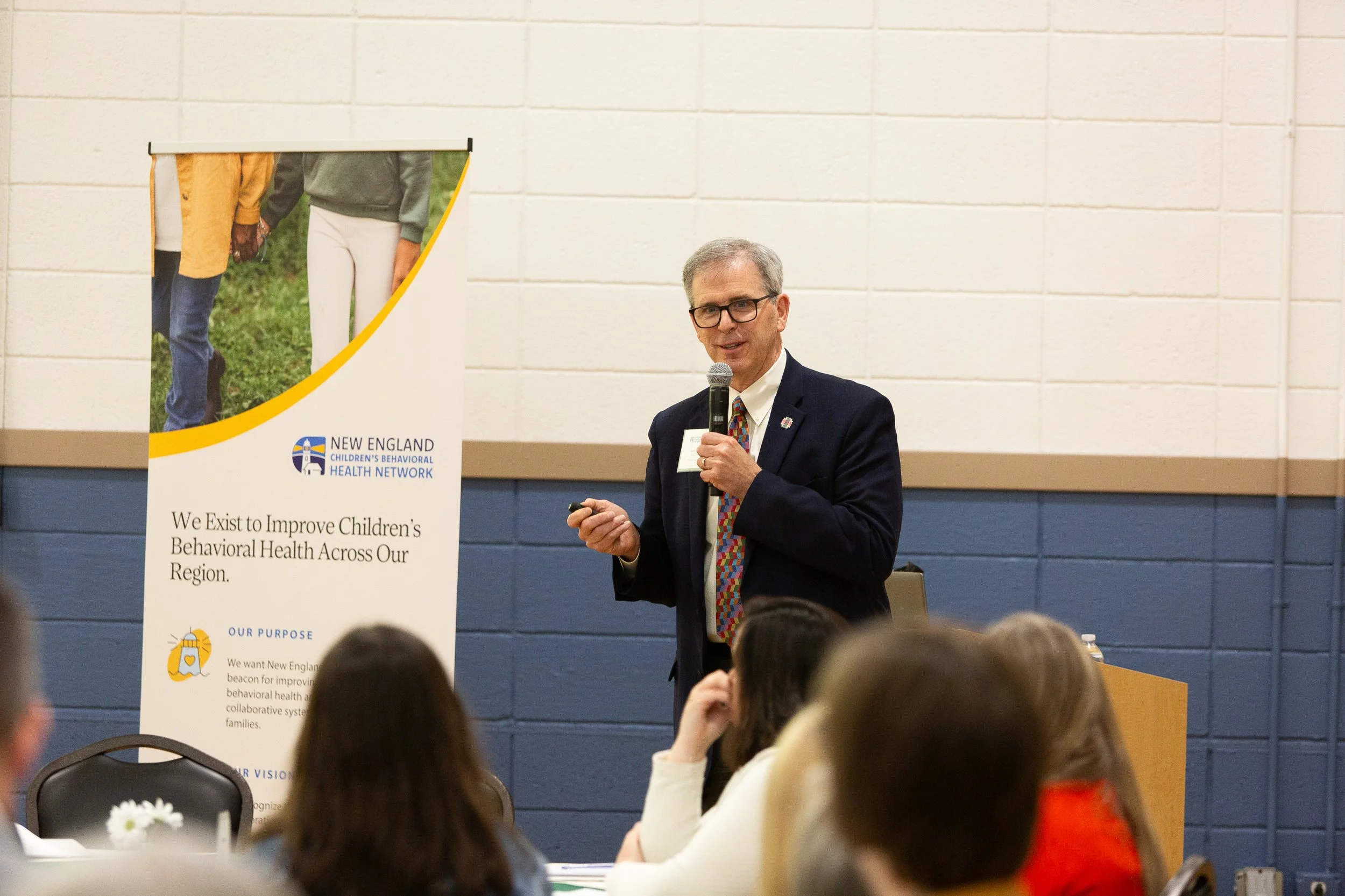
Keynote speaker Joan Alker, Executive Director and Co-Founder of the Georgetown University Center for Children and Families, offered a comprehensive and sobering picture of what's happening in Washington and what it means for children's coverage.
The numbers are striking. Child uninsured rates hit a historic low of 4.7% in 2016, driven by decades of bipartisan investment in Medicaid and CHIP. Since then, the trend has reversed. Since the current administration took office in January 2025, an estimated 1.5 to 2 million children have lost Medicaid coverage, even before the larger legislative cuts have taken effect.
Three forces are driving this decline:
The chilling effect. With CMS indicating it will share data with ICE, mixed-status families — where the child is almost certainly a U.S. citizen — are disenrolling out of fear. One in four American children lives in a mixed-status family. This is having a profound impact.
States not enforcing the rules. Florida is currently violating federal law by removing children from CHIP for failure to pay premiums, a practice that is explicitly prohibited. The current administration is not enforcing compliance.
Cuts to outreach. Families hear about Medicaid cuts and assume they're no longer eligible. Parents subject to new work requirements may not realize exemptions apply to them.
And that's all before HR1 — the "One Big Beautiful Bill" — which contains nearly $1 trillion in Medicaid cuts over 10 years, the largest in history. Among the major provisions:
Work reporting requirements beginning January 1, 2027, for Medicaid expansion adults (with exemptions for parents of children under 14 and lower-income parents in certain coverage categories)
Retroactive coverage reduced from 90 days to 60 days (or 30 for expansion adults)
Provider tax restrictions that limit states' ability to raise their share of Medicaid funding
Eligibility reviews every 6 months instead of annually for expansion adults
Sweeping restrictions on immigrant coverage, effective October 1st
On immigrant coverage, Professor Alker noted an important protection: states that have adopted the ICHIA Option, which most New England states have, can continue covering lawfully residing immigrant children and pregnant women, overriding the federal ban. Advocates should verify their state's status and push for adoption where it hasn't yet happened.
Despite the difficulty of the moment, Professor Alker offered real grounds for hope: Medicaid is broadly popular across party lines. Voters in red states like Idaho don't want it cut. And behavioral health, particularly children's behavioral health, remains one of the few areas of genuine bipartisan Congressional interest. "We are right," she said. "And the public knows it."
The Provider View: One Bad Bill Burdens All
Dr. Keith Loud, Chair of Pediatrics at Dartmouth's Geisel School of Medicine and Physician-in-Chief of Dartmouth Health Children's, brought the discussion home to what these changes mean for hospitals, providers, and the children they serve.
He introduced the audience to Lucas, a 14-year-old with trisomy 21, autism, seizures, and a heart condition, who traveled to Washington last June with his family to advocate against HR1. Lucas's family has both commercial insurance and Medicaid — and without Medicaid's home-based services, Lucas could not remain at home. He is one of approximately 500,000 children nationally for whom Medicaid supplements commercial coverage to make community living possible.
Dr. Loud described a rural healthcare system already under severe strain. Dartmouth Health serves a 100-mile radius across northern New England; without them in the middle, some families would drive four to five hours for pediatric specialty care. New Hampshire has the second-lowest Medicaid reimbursement rate in the nation — 12 cents on the dollar relative to actual costs. Tufts Children's Hospital in Boston, with 125 years of history, recently closed, unable to sustain operations given Medicaid reimbursement rates, adult bed pressure, and workforce shortages.
When children's hospitals face cuts, Dr. Loud emphasized, they don't stop serving Medicaid patients selectively — they eliminate programs entirely. Medicaid accounts for such a large proportion of spending in children’s behavioral health, that it is the foundation of many programs. Everyone loses access, regardless of insurance.
His proposed solutions ranged from practical (telehealth expansion, interstate licensing compacts, eConsults, medical-legal partnerships) to bold: Medicare for Kids — a federal insurance program for children that would address the stigma of a means-tested program, raise reimbursement rates, and potentially serve as a pathway toward broader coverage reform.
State Innovations: What's Already Working
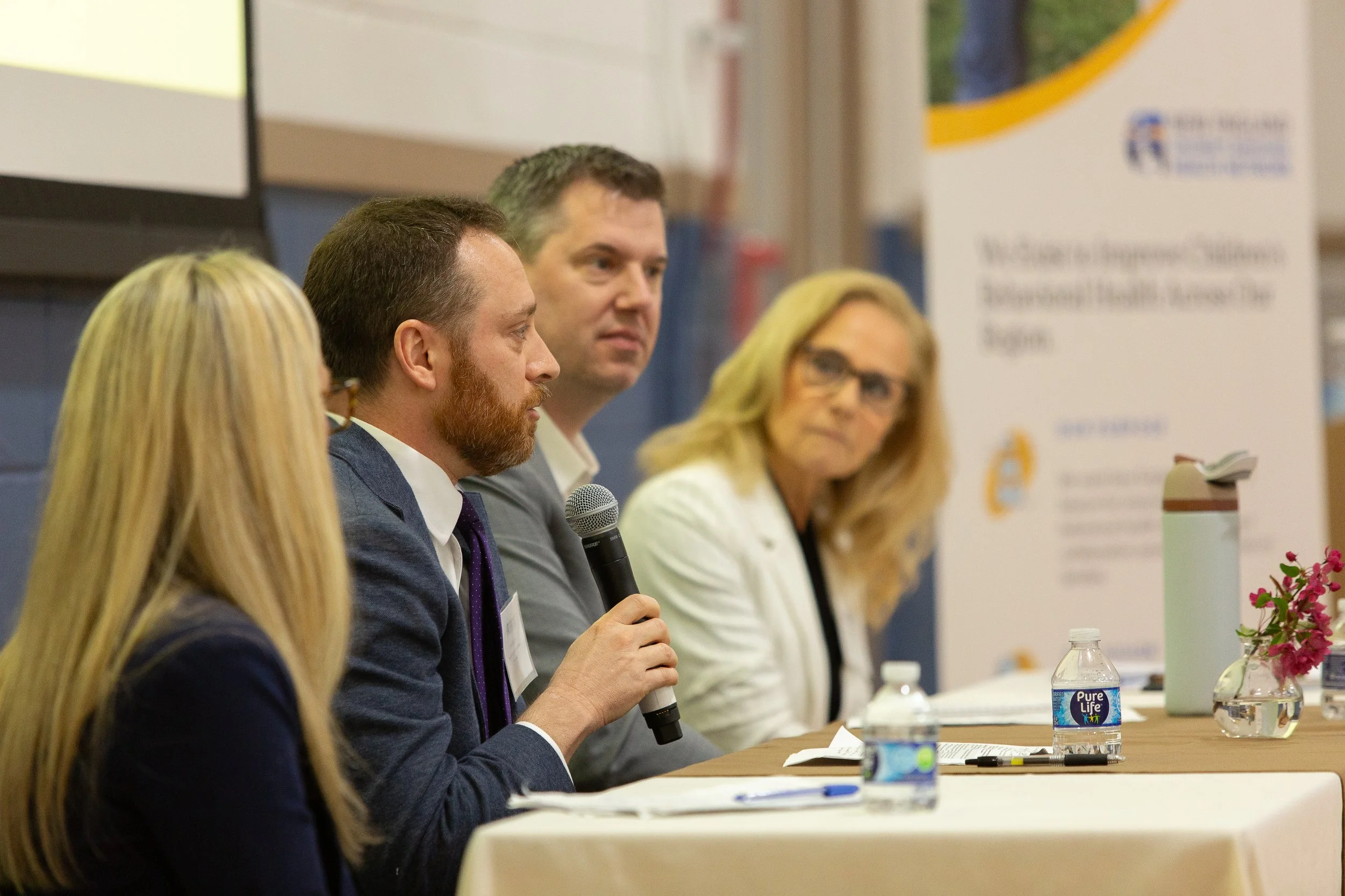
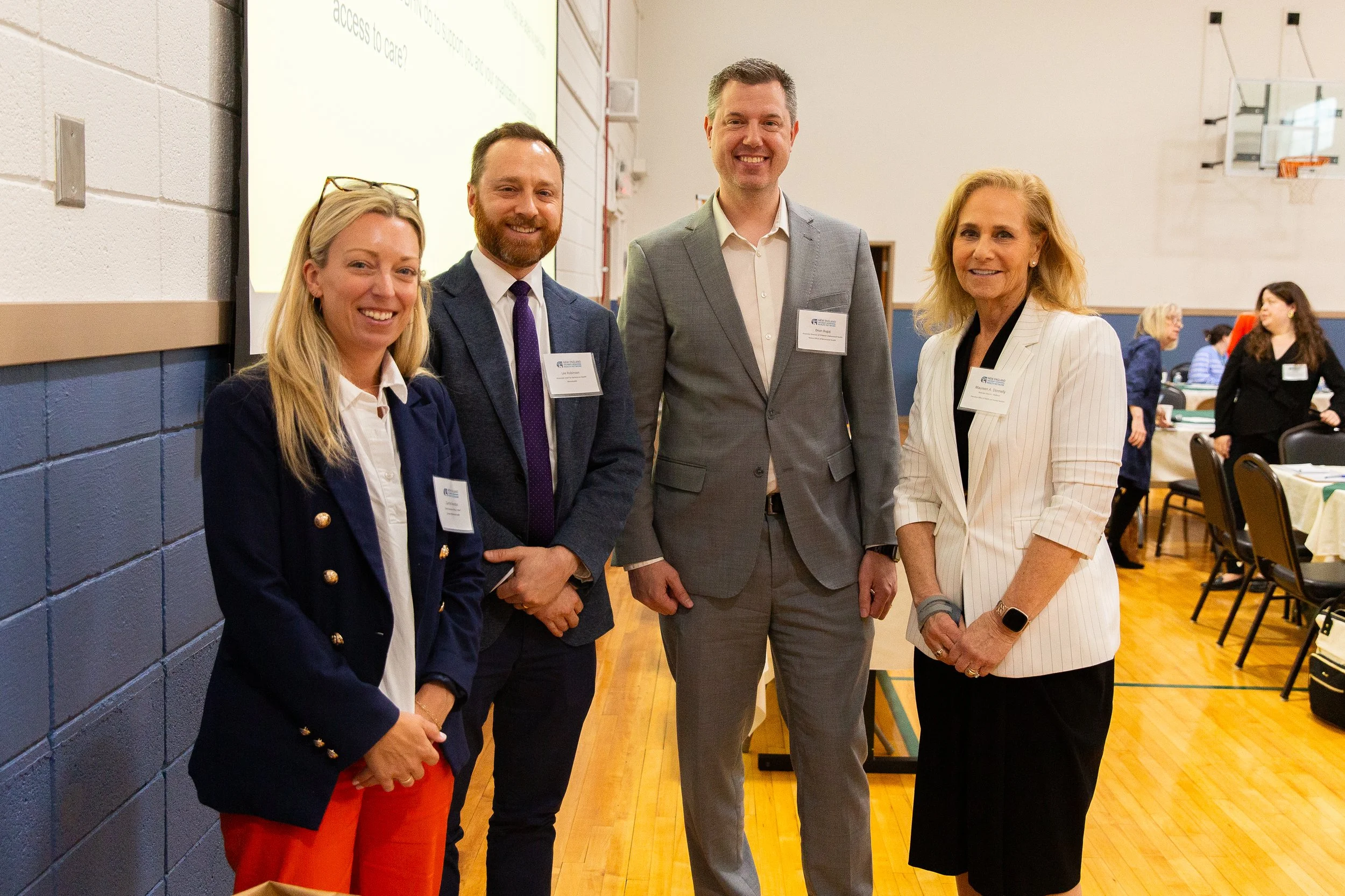
The afternoon panel, moderated by Jeff Vanderploeg ,PhD (Child Health & Development Institute, Connecticut), brought together Medicaid leaders from Maureen A Donelly, MPA, Associate Medicaid Director from Rhode Island, Dean Bugaj, Associate Director of Children’s Behavioral Health Services, Maine Office of Behavioral Health from Maine, Lee Robinson, MD, Associate Chief of Behavioral Health, MassHealth Office of Accountable Care & Behavioral Health from Massachusetts, and Carrie Bourdon, LCSW, CEO, CT-BHP, Carelon Behvaioral Health from Connecticut to discuss how states are preparing and innovating in response to HR1.
Several themes rose to the top:
Regional collaboration is not optional — it's essential. New England states share workforce pools, provider networks, and specialty resources. For conditions like eating disorders or complex autism care, no single small state has the volume to sustain a full program alone. Cross-state visibility into bed availability, licensing reciprocity, and shared quality benchmarks can stretch limited resources much further.
CCBHCs are a bright spot. Certified Community Behavioral Health Clinics - operating in Rhode Island (as a demonstration state), Maine, and now in planning stages in Connecticut — are expanding access, enabling after-hours and home-based care, and offering more flexible, payer-agnostic service delivery. In Massachusetts, which launched its own CBHC model in 2023, children are accessing these centers at disproportionately high rates — a testament to the flexibility and responsiveness of the model.
Massachusetts has pioneered a sustainable funding model. A tax on commercial health plans funds a trust that pays for behavioral health care at CBHCs for anyone who is uninsured or underinsured. As hundreds of thousands of Massachusetts residents face potential coverage loss from HR1, this trust fund may prove to be a critical safety net. Other states are watching closely.
Workforce is the limiting factor. Every state represented noted that more funding alone won't solve the crisis if there aren't enough trained providers to deliver care. Solutions in play include loan repayment programs (including through 1115 waivers), reducing administrative burden on clinicians, team-based care models, expanded peer support, and structured communities of practice,like Maine's emerging Center of Excellence for high-fidelity wraparound services.
Rhode Island's CCBHC implementation is already producing innovation. One example: the state's Mobile Response Stabilization (MRS) system for children and families was lifted out of the general CCBHC structure and developed as a dedicated program, better tailored to children's needs. The consent decree Rhode Island is operating under, while challenging, is also creating accountability and urgency for building a genuine community-based system of care.
When asked what one thing they'd change with a magic wand, panelists offered a window into shared aspirations: better functional outcome measures for youth behavioral health; living wages for the behavioral health workforce; family-centered funding that treats the whole family unit; and full parity between behavioral health and medical care.
What the Room Said: Table Discussions
During a working lunch, attendees discussed four questions: What can you do differently? What are the bright spots? What have you learned from other states? And what can the network do to support you?
Across tables, several ideas surfaced repeatedly:
Explore a behavioral health access trust fund for Rhode Island, modeled on Massachusetts
Interstate licensing reciprocity and shared bed-tracking systems across New England
A no-wrong-door approach with robust care coordination so families don't fall through the cracks between systems
Sustained funding mechanisms for proven programs — too many innovations disappear when federal grants end
A resource library and cross-state data dashboard to share innovations and track outcomes in real time
Regional federal advocacy — New England's congressional delegations can and should be engaged collectively
More convenings like this one, including peer communities organized by role and topic area
Looking Ahead
The conference closed with remarks from Tammy Freeburg, Senior Vice President at the Village for Families and Children (CT) and member of the NECBHN inaugural board. She offered a final framing: "We came because the work of protecting access to behavioral health care is too important and too urgent to do alone."
——————————————————————————————————————————————————————————————
To stay connected with the New England Children's Behavioral Health Network, reach out to our team at info@necbhn.org. Follow us for updates on upcoming events, resources, and advocacy opportunities.